UPDATE | November 24, 2026
Insights into full/empty capsid analysis: Evaluation of orthogonal methods and sample-specific selection strategies
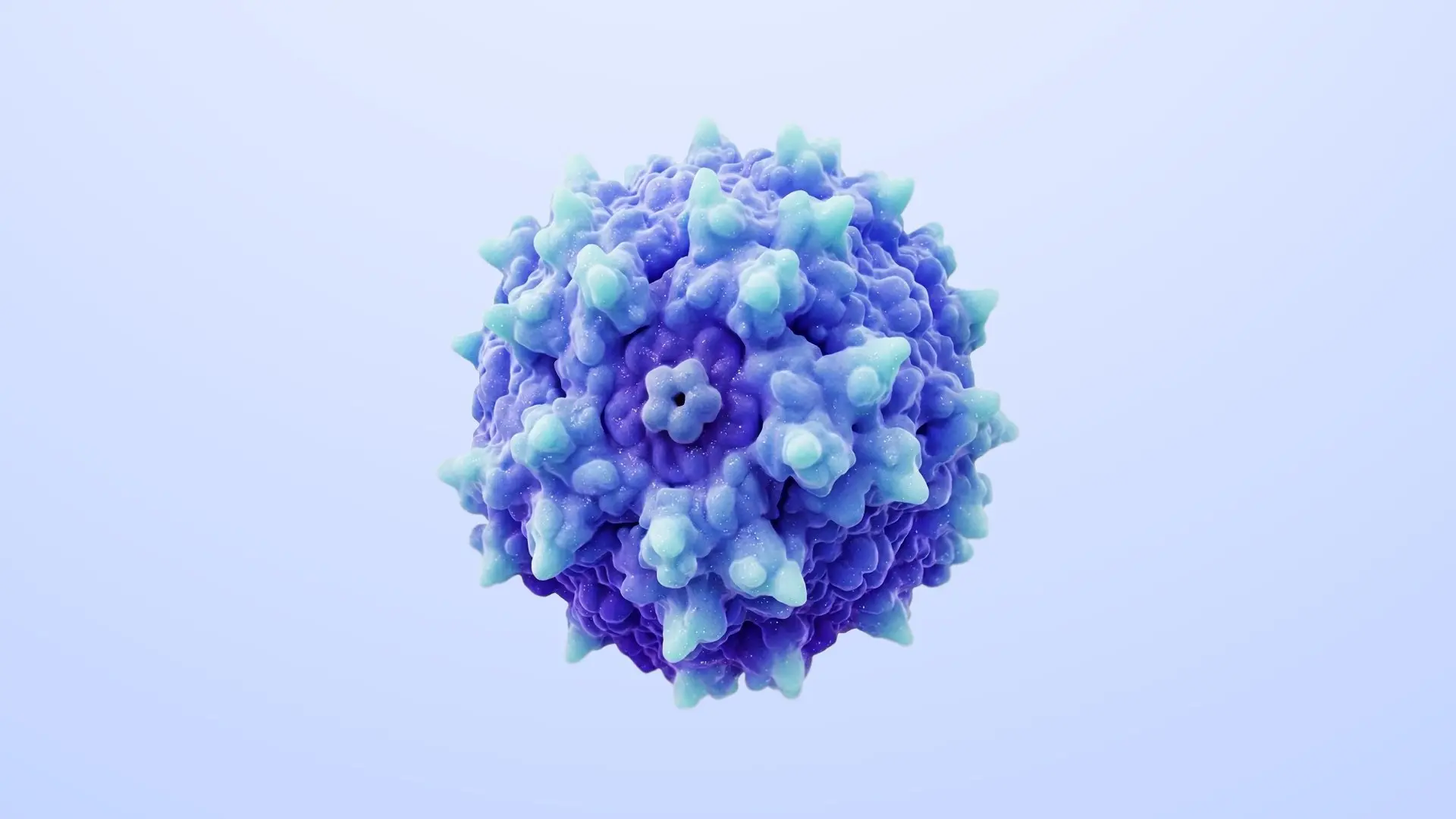
Accurate quantification of full capsids is essential in adeno-associated virus (AAV) manufacturing, as the percentage of full capsids (%Full) is a critical quality attribute (CQA) relevant to product safety and clinical efficacy. However, differences in analytical principles, sample requirements, and matrix compatibility can influence the suitability of each method across development stages.
This poster presents Samsung Biologics’ evaluation of four orthogonal analytical methods—analytical ultracentrifugation (AUC), size-exclusion chromatography coupled with multi-angle light scattering (SEC-MALS), mass photometry, and droplet digital PCR (ddPCR)—to assess %Full across different sample types and process stages.
Key highlights include:
Evaluation of ddPCR-based %Full quantification in crude bulk harvest samples without purification
Applicability of orthogonal analytical methods for monitoring %Full across downstream process stages
Comparable %Full results across tested serotypes in final drug substance, with differences within approximately 10% of AUC measurements
A fit-for-purpose analytical strategy for selecting methods based on sample properties and study objectives
Discover how sample-specific analytical method selection can support AAV capsid characterization and process development.
Accurate quantification of full capsids is essential in adeno-associated virus (AAV) manufacturing, as the percentage of full capsids (%Full) is a critical quality attribute (CQA) relevant to product safety and clinical efficacy. However, differences in analytical principles, sample requirements, and matrix compatibility can influence the suitability of each method across development stages.
This poster presents Samsung Biologics’ evaluation of four orthogonal analytical methods—analytical ultracentrifugation (AUC), size-exclusion chromatography coupled with multi-angle light scattering (SEC-MALS), mass photometry, and droplet digital PCR (ddPCR)—to assess %Full across different sample types and process stages.
Key highlights include:
- Evaluation of ddPCR-based %Full quantification in crude bulk harvest samples without purification
- Applicability of orthogonal analytical methods for monitoring %Full across downstream process stages
- Comparable %Full results across tested serotypes in final drug substance, with differences within approximately 10% of AUC measurements
- A fit-for-purpose analytical strategy for selecting methods based on sample properties and study objectives
Discover how sample-specific analytical method selection can support AAV capsid characterization and process development.
Share article
Related Content