How antibody–drug conjugates are reshaping cancer research, diagnostics, and therapy

As ADCs continue to advance precision oncology, they are also introducing new demands across manufacturing and operations.
“Even trace levels of linker–payload residuals can impact patient safety and pose exposure risks to operations personnel,” notes Marc Studer, Senior Director of ADC Operations at Samsung Biologics.
Unlike traditional monoclonal antibodies, ADCs require tailored cleaning strategies and advanced analytical methods to manage highly potent cytotoxic payloads and prevent cross-contamination. Each linker–payload combination presents distinct challenges, making product-specific validation critical.
Explore how evolving manufacturing strategies are addressing these challenges in ADC development and manufacturing.
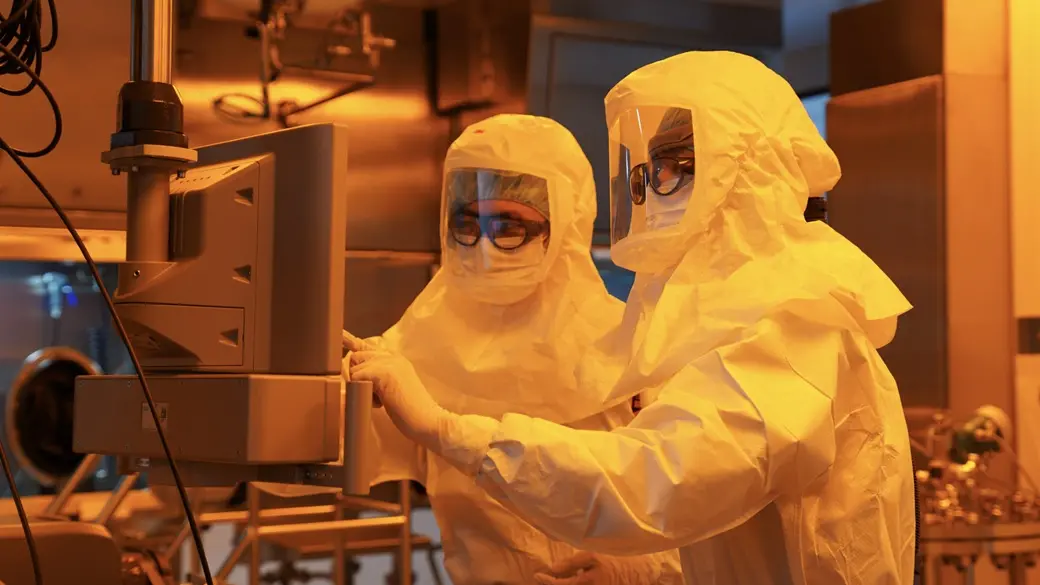
As ADCs continue to advance precision oncology, they are also introducing new demands across manufacturing and operations.
“Even trace levels of linker–payload residuals can impact patient safety and pose exposure risks to operations personnel,” notes Marc Studer, Senior Director of ADC Operations at Samsung Biologics.
Unlike traditional monoclonal antibodies, ADCs require tailored cleaning strategies and advanced analytical methods to manage highly potent cytotoxic payloads and prevent cross-contamination. Each linker–payload combination presents distinct challenges, making product-specific validation critical.
Explore how evolving manufacturing strategies are addressing these challenges in ADC development and manufacturing.
Share article
Related Content