The Power of Partnership: How Cartography Biosciences Reached IND with Its Bispecific T-Cell Engager
For biotech companies, time is a critical consideration, making reliable, on-time delivery a top priority when selecting a drug development partner. That is especially true for companies developing bispecific therapeutics, where the molecular complexity can create additional development challenges and place greater pressure on already demanding timelines.
Cartography Biosciences (Cartography) is a therapeutics company building a pipeline of antibody-based therapies, including bispecifics, to advance new immunotherapies for patients with cancer. When progressing its lead program, a T-cell engager for colorectal cancer, finding a partner with the right level of technical expertise, flexibility, and commitment to timelines was essential. We recently sat down with Cartography to learn how the partnership with Samsung Biologics helped the company deliver on its commitment to advancing cancer therapies and achieve IND approval on time.
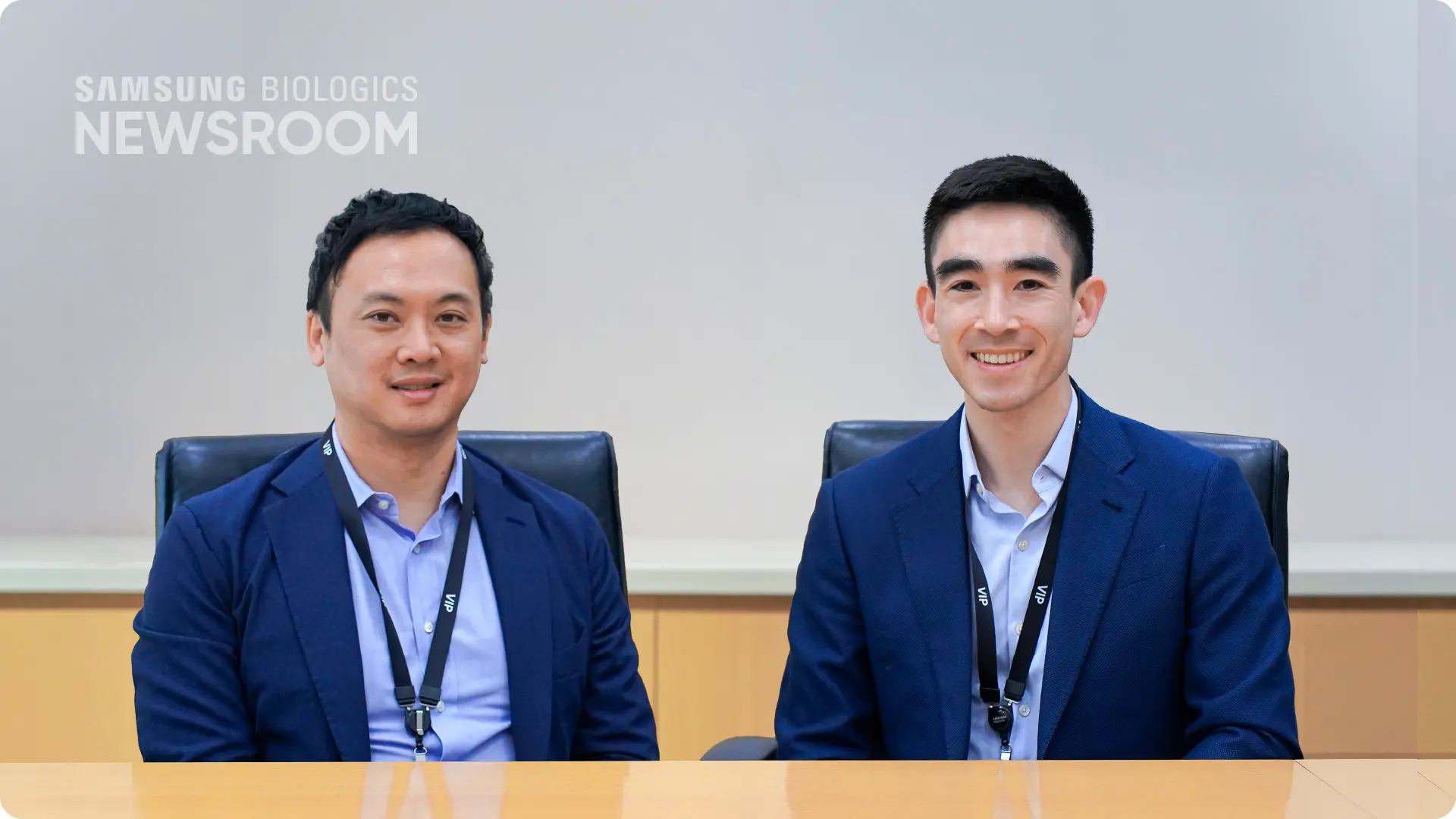
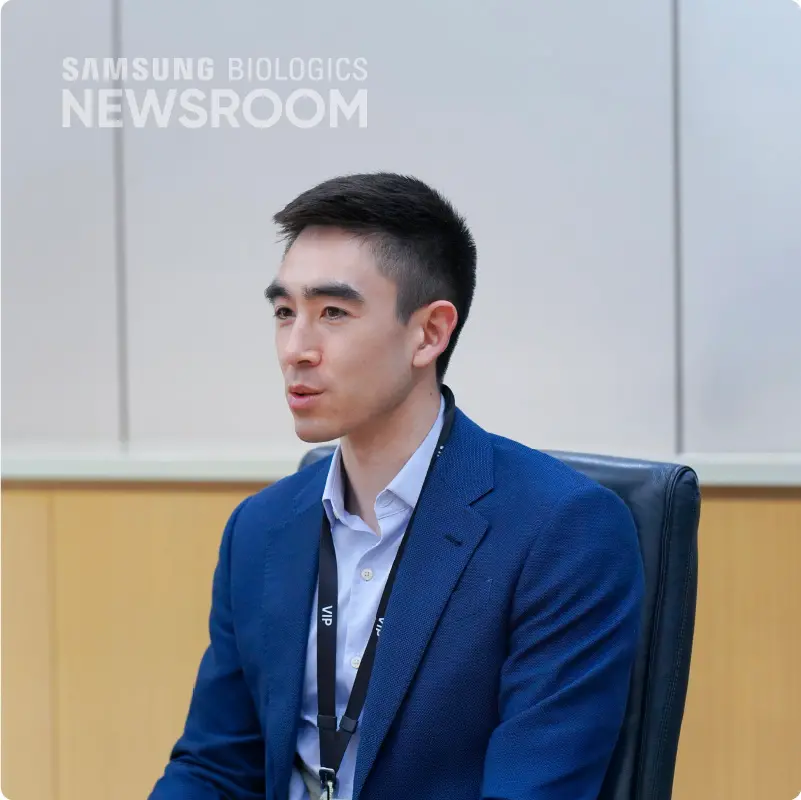
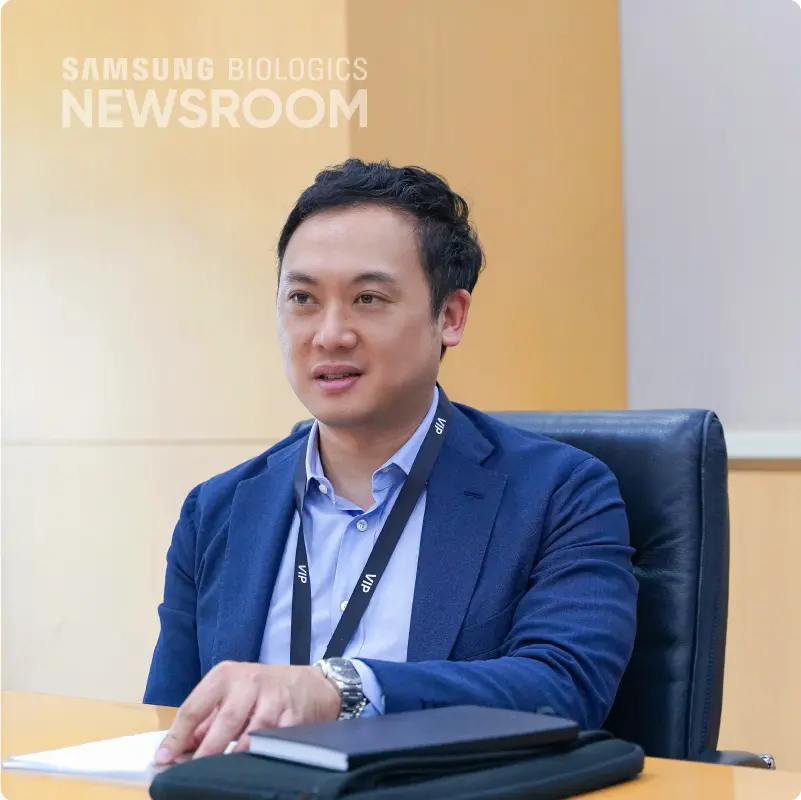
Chester Wong (SVP of Business Development) and Kevin Parker (CEO)
Why Partner with Samsung Biologics?
In 2024, when Cartography first met the Samsung Biologics CDO team to kick off its development program, the company had several criteria for selecting a partner, including:
- Who had the strongest track record?
- Who could deliver on time?
- Who had proven expertise in bispecific therapeutic development?
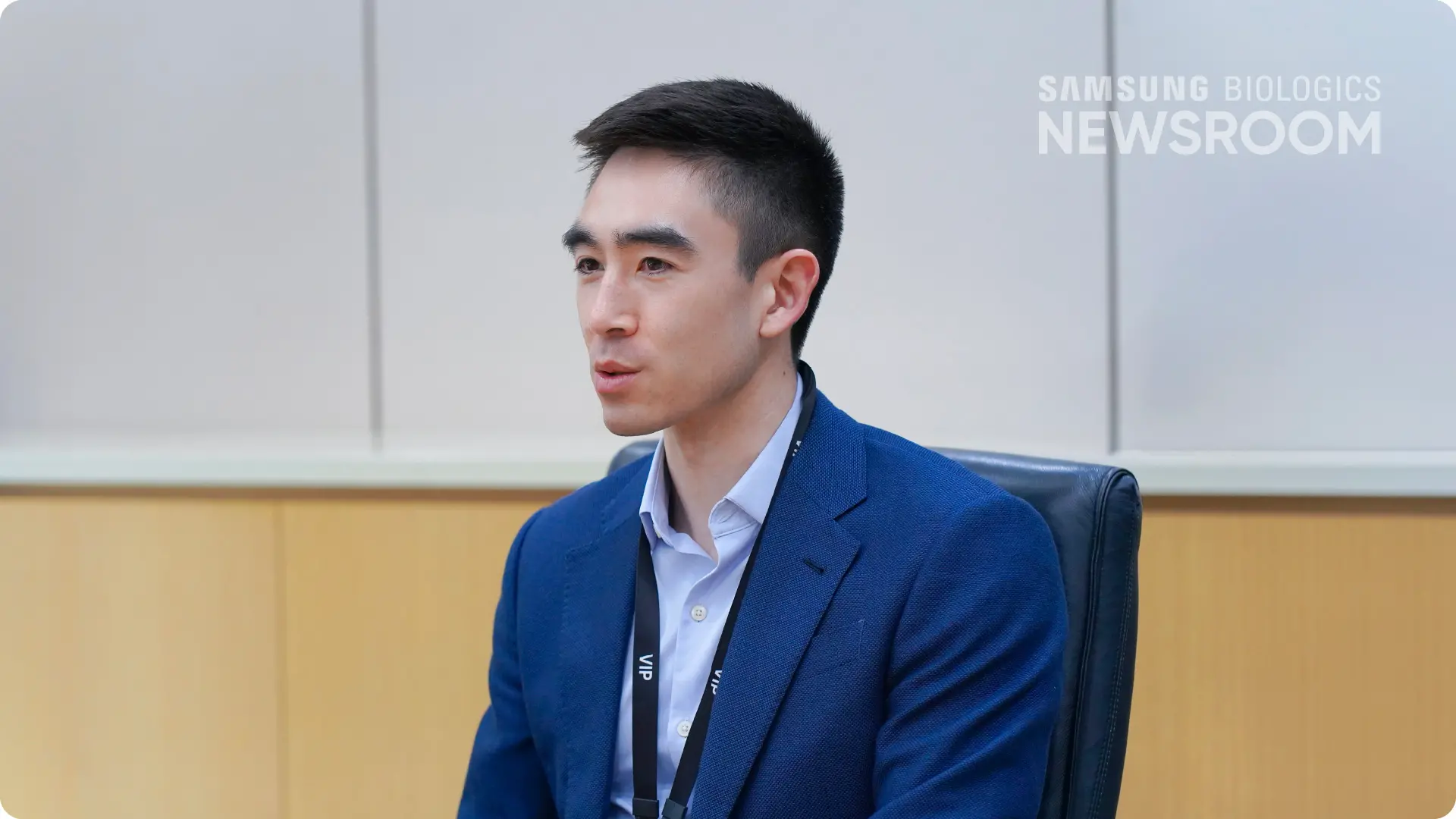
“Samsung Biologics stood out with their experience, track record, time, and client relationships. We were confident that if we worked with Samsung Biologics, we would develop a high-quality, successful product on time, on track,” said Kevin Parker, CEO of Cartography.
But selecting a partner was only the beginning. What mattered just as much was seeing the expertise prove itself in action, against the specific technical challenges this complex molecule presented. As Cartography’s lead program moved further along its development pathway, the experience and flexibility they had chosen Samsung Biologics for would be put to the test: translating promise into practice, and ultimately, into an on-time delivery.
Expert, Flexible Development: From Cell Line to Analytical Development
- Cell Line Development
The first test came in cell line development. Samsung Biologics’ experts leveraged their transfection expertise to generate and screen multiple candidates, applying comprehensive analytics to identify the lead with the best overall profile of titer and product quality. The team used two complementary strategies to generate unique pools, then applied comprehensive analytics, adapting to the molecule’s needs. The result was a lead clone that achieved the target titer while maintaining high purity, holding homodimer impurities at low levels, and sustaining stable expression across 60 population doubling levels.
- Upstream Process Development
With high-performing cell lines in hand, the upstream process development team faced a different pressure: maximizing productivity and quality within a compressed timeline. During the cell pool development, the team accelerated timelines by leveraging historical data to rapidly screen various media combinations and additives - verifying the impact of key growth factors at the shake flask stage. That groundwork delivered seamless upstream process development.
- Downstream Process Development
Downstream development presented another obstacle, where flexibility was critical. Certain concentration conditions demanded a bespoke approach, so the team drew on its flexibility to adapt the process to the molecule’s needs – protecting quality and yield at every step.
- Formulation Development
Formulation required a careful balance between chemical and physical stability – a challenge inherent to complex, multispecific molecules. To address this, the formulation team customized its screening studies, optimizing the pH screening range and using data analysis to find that optimal balance. The team’s adaptability mattered most in the beginning stage - when Cartography requested an image-based capillary isoelectric focusing (icIEF) analysis, they optimized the generic method to suit the molecule’s complexity.
- Analytical Development
The final hurdle was analytical development. Because bispecific antibodies are inherently more complex than monoclonal antibodies, they demand more sophisticated analytical strategies. To detect potential homodimer impurities and accurately quantify heterodimer purity while providing stability information, the analytical development team developed a Reverse-Phase Ultra-Performance Liquid Chromatography method that became a core quality-control tool for developing the bispecific candidate.
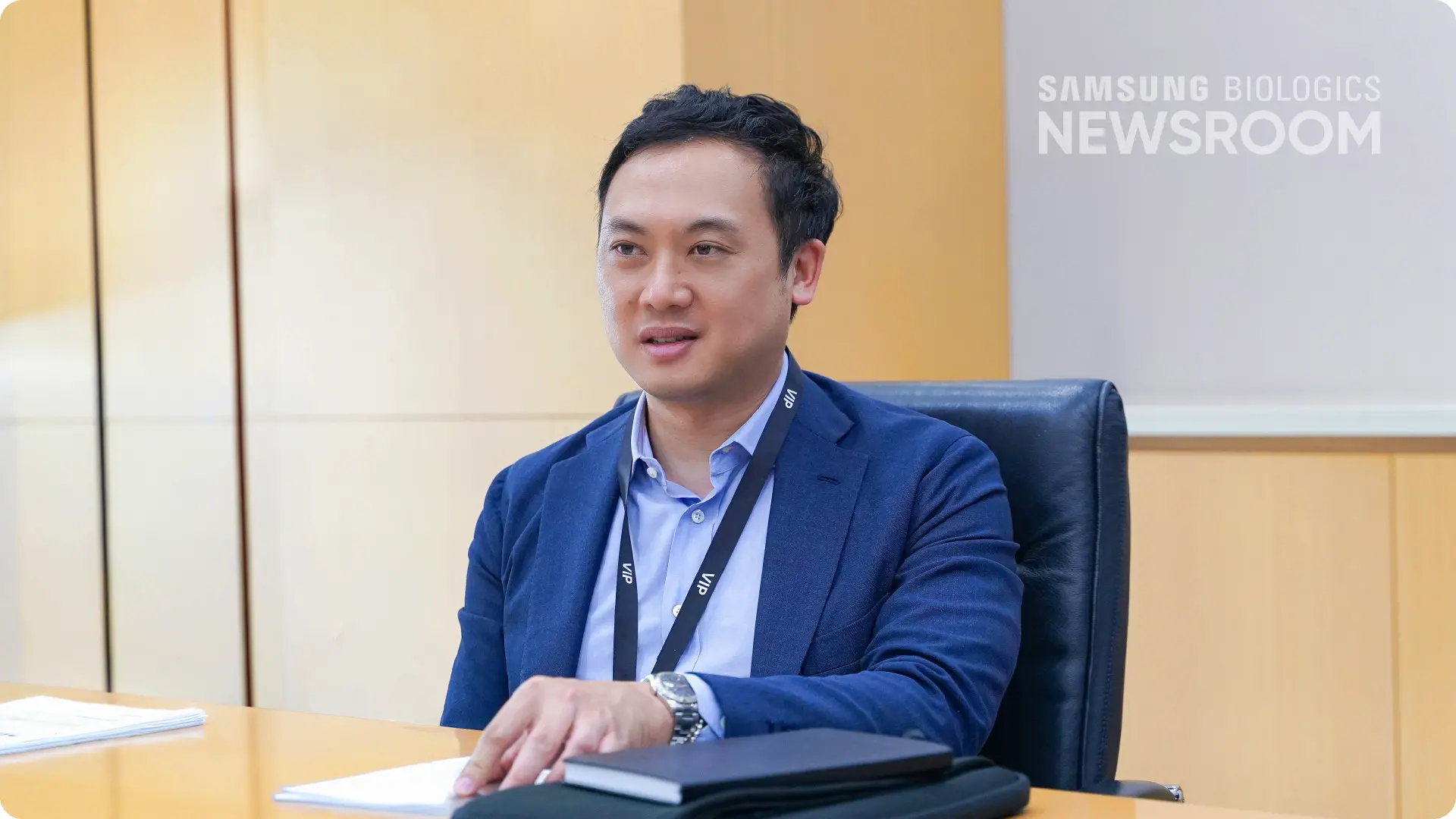
For Cartography, having a single partner across each of these challenges was invaluable: “It makes everything more seamless. There are no issues from transitioning between one partner and another if you find a good partnership that makes sense and keeps everything a one-stop shop,” said Chester Wong, SVP of Business Development.
Achieving IND Approval - and Beyond
As the project demonstrated, the teams at Samsung Biologics brought deep expertise, proven track records, and the flexibility to adapt at every stage of development and meet client needs. “Whenever something came up, everybody mobilized and managed each step,” said Parker. “Every project has at least a couple of hiccups. I felt it was a very good collaboration with the Samsung Biologics team to figure those out and move forward.”
Reflecting on the partnership overall, the Cartography team emphasized the transparency and trust built along the way.
“What felt like a true partnership to me was the collaboration throughout and the on-time delivery of a high-quality product. We did not feel that things were changing along the way. The partnership felt transparent. The experience has built a lot of trust on our side.” - Kevin Parker, CEO of Cartography
Samsung recently announced an investment in Cartography Biosciences through the Samsung Life Science Fund. Building on their development partnership, this strategic investment further deepens the relationship as Samsung Biologics and Cartography Biosciences continue their journey together toward developing next-generation cancer therapeutics.
For biotech companies, time is a critical consideration, making reliable, on-time delivery a top priority when selecting a drug development partner. That is especially true for companies developing bispecific therapeutics, where the molecular complexity can create additional development challenges and place greater pressure on already demanding timelines.
Cartography Biosciences (Cartography) is a therapeutics company building a pipeline of antibody-based therapies, including bispecifics, to advance new immunotherapies for patients with cancer. When progressing its lead program, a T-cell engager for colorectal cancer, finding a partner with the right level of technical expertise, flexibility, and commitment to timelines was essential. We recently sat down with Cartography to learn how the partnership with Samsung Biologics helped the company deliver on its commitment to advancing cancer therapies and achieve IND approval on time.
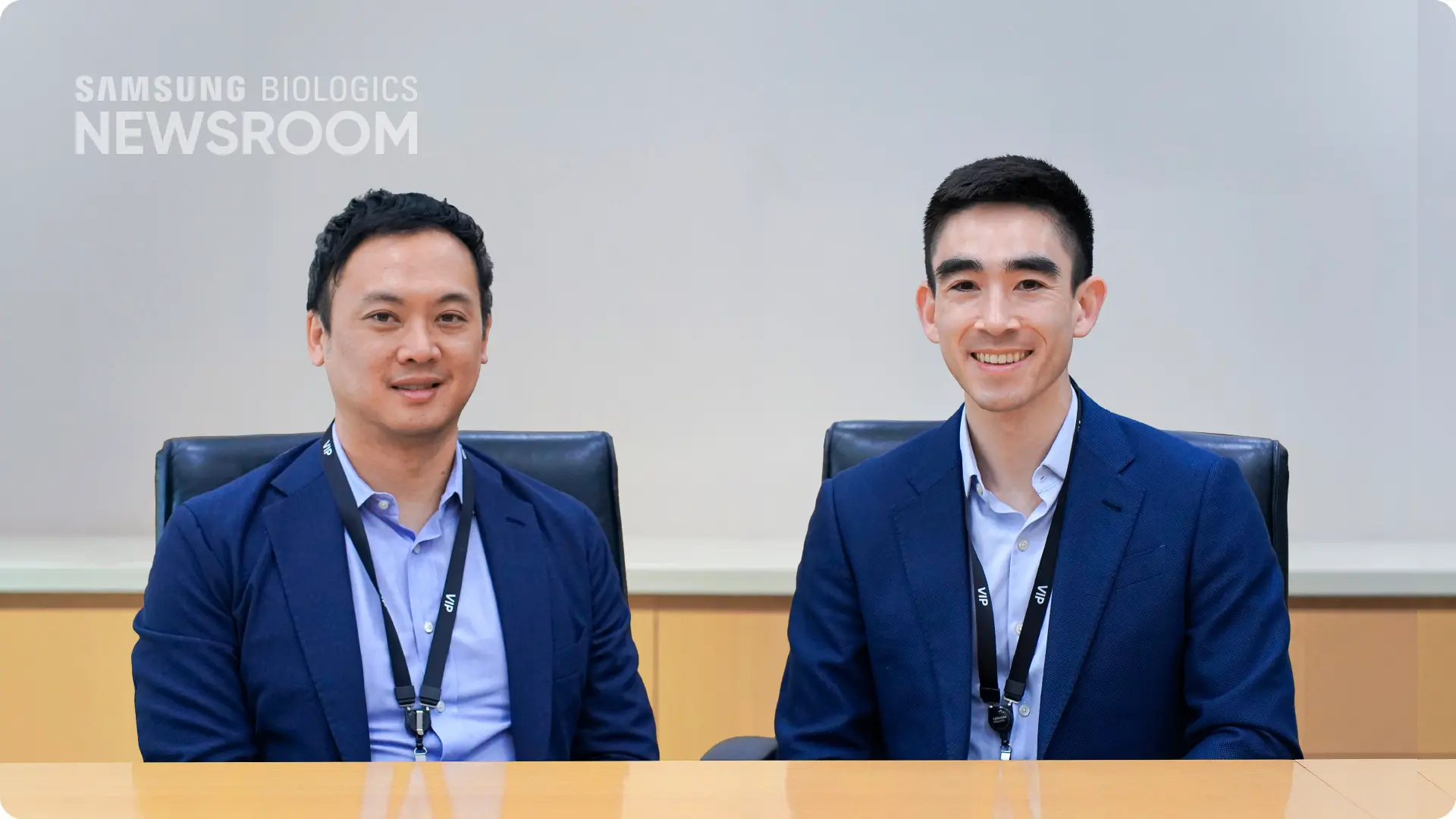
Chester Wong (SVP of Business Development) and Kevin Parker (CEO)
Why Partner with Samsung Biologics?
In 2024, when Cartography first met the Samsung Biologics CDO team to kick off its development program, the company had several criteria for selecting a partner, including:
- Who had the strongest track record?
- Who could deliver on time?
- Who had proven expertise in bispecific therapeutic development?
“Samsung Biologics stood out with their experience, track record, time, and client relationships. We were confident that if we worked with Samsung Biologics, we would develop a high-quality, successful product on time, on track,” said Kevin Parker, CEO of Cartography.
But selecting a partner was only the beginning. What mattered just as much was seeing the expertise prove itself in action, against the specific technical challenges this complex molecule presented. As Cartography’s lead program moved further along its development pathway, the experience and flexibility they had chosen Samsung Biologics for would be put to the test: translating promise into practice, and ultimately, into an on-time delivery.
Expert, Flexible Development: From Cell Line to Analytical Development
Cell Line Development
The first test came in cell line development. Samsung Biologics’ experts leveraged their transfection expertise to generate and screen multiple candidates, applying comprehensive analytics to identify the lead with the best overall profile of titer and product quality. The team used two complementary strategies to generate unique pools, then applied comprehensive analytics, adapting to the molecule’s needs. The result was a lead clone that achieved the target titer while maintaining high purity, holding homodimer impurities at low levels, and sustaining stable expression across 60 population doubling levels.
Upstream Process Development
With high-performing cell lines in hand, the upstream process development team faced a different pressure: maximizing productivity and quality within a compressed timeline. During the cell pool development, the team accelerated timelines by leveraging historical data to rapidly screen various media combinations and additives - verifying the impact of key growth factors at the shake flask stage. That groundwork delivered seamless upstream process development.
Downstream Process Development
Downstream development presented another obstacle, where flexibility was critical. Certain concentration conditions demanded a bespoke approach, so the team drew on its flexibility to adapt the process to the molecule’s needs – protecting quality and yield at every step.
Formulation Development
Formulation required a careful balance between chemical and physical stability – a challenge inherent to complex, multispecific molecules. To address this, the formulation team customized its screening studies, optimizing the pH screening range and using data analysis to find that optimal balance. The team’s adaptability mattered most in the beginning stage - when Cartography requested an image-based capillary isoelectric focusing (icIEF) analysis, they optimized the generic method to suit the molecule’s complexity.
Analytical Development
The final hurdle was analytical development. Because bispecific antibodies are inherently more complex than monoclonal antibodies, they demand more sophisticated analytical strategies. To detect potential homodimer impurities and accurately quantify heterodimer purity while providing stability information, the analytical development team developed a Reverse-Phase Ultra-Performance Liquid Chromatography method that became a core quality-control tool for developing the bispecific candidate.
For Cartography, having a single partner across each of these challenges was invaluable: “It makes everything more seamless. There are no issues from transitioning between one partner and another if you find a good partnership that makes sense and keeps everything a one-stop shop,” said Chester Wong, SVP of Business Development.
Achieving IND Approval - and Beyond
As the project demonstrated, the teams at Samsung Biologics brought deep expertise, proven track records, and the flexibility to adapt at every stage of development and meet client needs. “Whenever something came up, everybody mobilized and managed each step,” said Parker. “Every project has at least a couple of hiccups. I felt it was a very good collaboration with the Samsung Biologics team to figure those out and move forward.”
Reflecting on the partnership overall, the Cartography team emphasized the transparency and trust built along the way.
“What felt like a true partnership to me was the collaboration throughout and the on-time delivery of a high-quality product. We did not feel that things were changing along the way. The partnership felt transparent. The experience has built a lot of trust on our side.” - Kevin Parker, CEO of Cartography
Samsung recently announced an investment in Cartography Biosciences through the Samsung Life Science Fund. Building on their development partnership, this strategic investment further deepens the relationship as Samsung Biologics and Cartography Biosciences continue their journey together toward developing next-generation cancer therapeutics.
Share article
Related Content