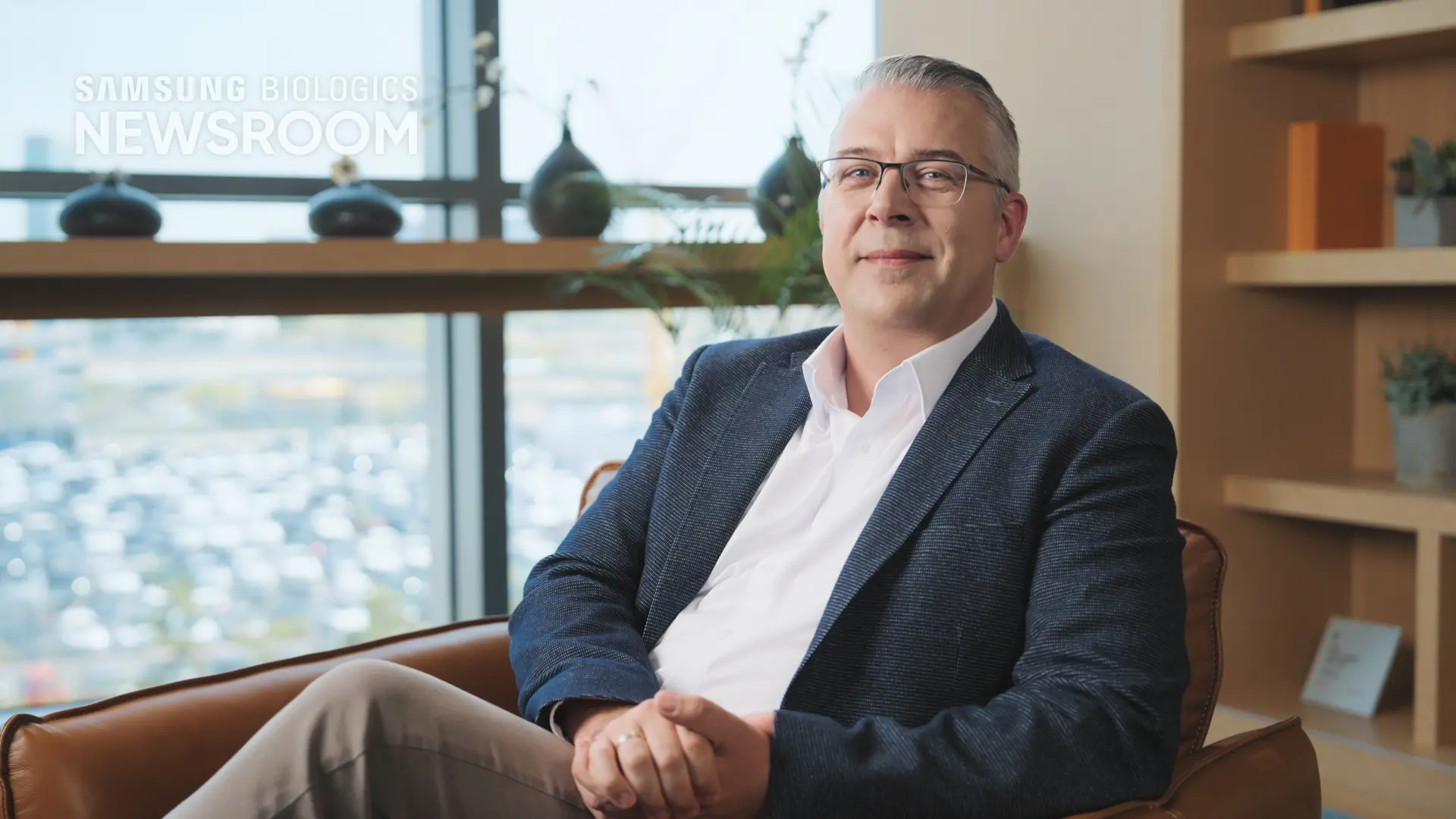
A conversation with Bram ten Cate, Vice President and Head of MSAT
As biologics manufacturing grows increasingly complex, the role of Manufacturing Science and Technology (MSAT) continues to expand beyond technical support. At Samsung Biologics, MSAT plays a critical role in connecting process development, technology transfer (tech transfer), manufacturing execution, and lifecycle management to support reliable and scalable production.
In this interview, Bram ten Cate, Vice President and Head of MSAT, shares his perspective on the evolving role of MSAT in CDMOs today, the growing importance of standardized and digitally integrated systems, and how process understanding and predictive manufacturing help enable reliable execution across increasingly diverse modalities.
Building confidence through process understanding
“MSAT sits at the intersection of development and manufacturing,” Bram explained. “Our role is to translate science into reliable and compliant execution.”
According to Bram, one of MSAT’s key responsibilities is ensuring that manufacturing processes remain robust, scalable, and transferable across facilities and commercial stages. This includes supporting tech transfer, process validation, continued verification, and lifecycle management.
Beyond technical execution, he emphasized that the team’s ultimate role is to build confidence for clients.
“In a CDMO environment where every molecule is different, our job is to make our execution as consistent and reliable as possible,” he said.
To this end, Samsung Biologics is reinforcing its standardized biomanufacturing framework, ExellenS™, and integrated systems to improve process understanding and operational consistency across programs and manufacturing sites.
Flexibility built on standardization
As accelerated timelines and increasing regulatory complexity reshape the industry, clarity and consistency have become increasingly important in decision-making, Bram noted.
“In tech transfer and process development, ambiguity creates the greatest operational risk,” he said. “If we don’t understand the process, we can’t scale it. I always make sure that our team defines critical process parameters, understands variability, and makes data-driven decisions early.”
He also highlighted the importance of standardized ways of working across tech transfer, validation, and lifecycle management activities. “Consistency does not limit flexibility; it instead enables more efficient and reliable execution across diverse programs.”
Beyond clarity and consistency, Bram emphasized that long-term thinking is equally important in manufacturing decision-making.
“Rather than focusing only on immediate execution, teams continue to evaluate whether processes will remain scalable, reliable, and effective not only today, but also years into commercial manufacturing,” Bram explained. “This perspective helps avoid short-term solutions that may create operational challenges later in the product lifecycle.”
Moving toward predictive manufacturing
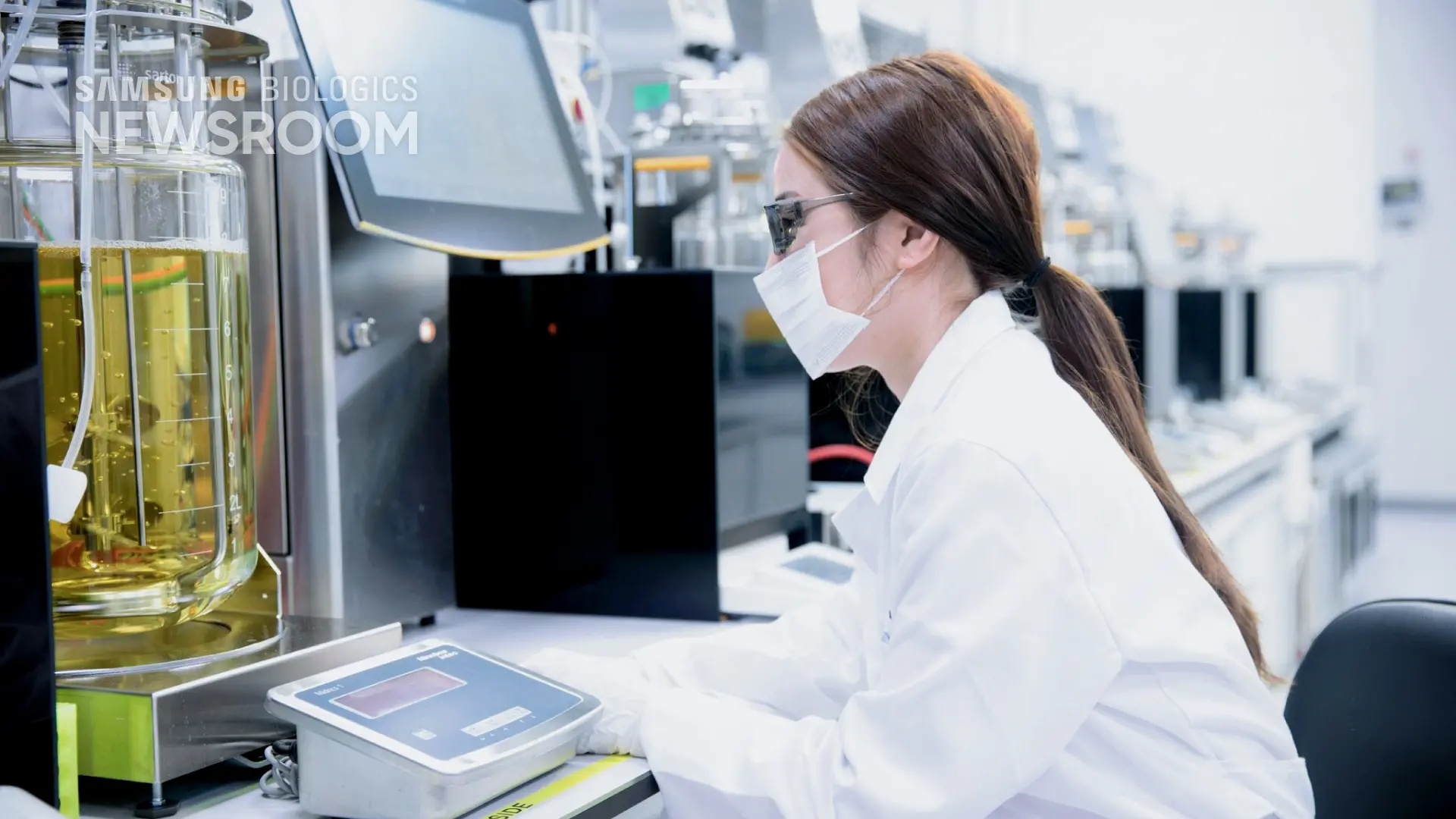
Looking ahead, Bram expects the industry to continue evolving toward more complex and diverse modalities, alongside increasing digital integration across biopharmaceutical manufacturing.
“We are expanding beyond monoclonal antibodies into more complex modalities,” he explained. “Each brings new challenges in process understanding, transfer, and control.”
Bram said, as manufacturing complexity increases, clients are no longer looking only for manufacturing capacity or execution speed. Instead, they are seeking confidence that their products can be transferred efficiently, scaled reliably, and manufactured consistently across facilities over time.
“Clients are looking for predictability,” he said. “They want confidence that processes will perform consistently regardless of complexity or scale.”
To support this shift, Bram believes digitalization will play an increasingly important role in enabling data-driven and predictive manufacturing environments. He explained that future tech transfer models will rely less on static documentation and more on integrated systems that connect process knowledge, historical performance, and real-time analytics. And most importantly, MSAT is expected to play a more strategic role in connecting data, science, and manufacturing execution to support consistent execution across increasingly diverse modalities.
“This approach reflects Samsung Biologics’ broader focus on standardized and digitally integrated manufacturing systems to support scalable execution and operational consistency across its global manufacturing network,” he added.
Leadership through clarity and collaboration
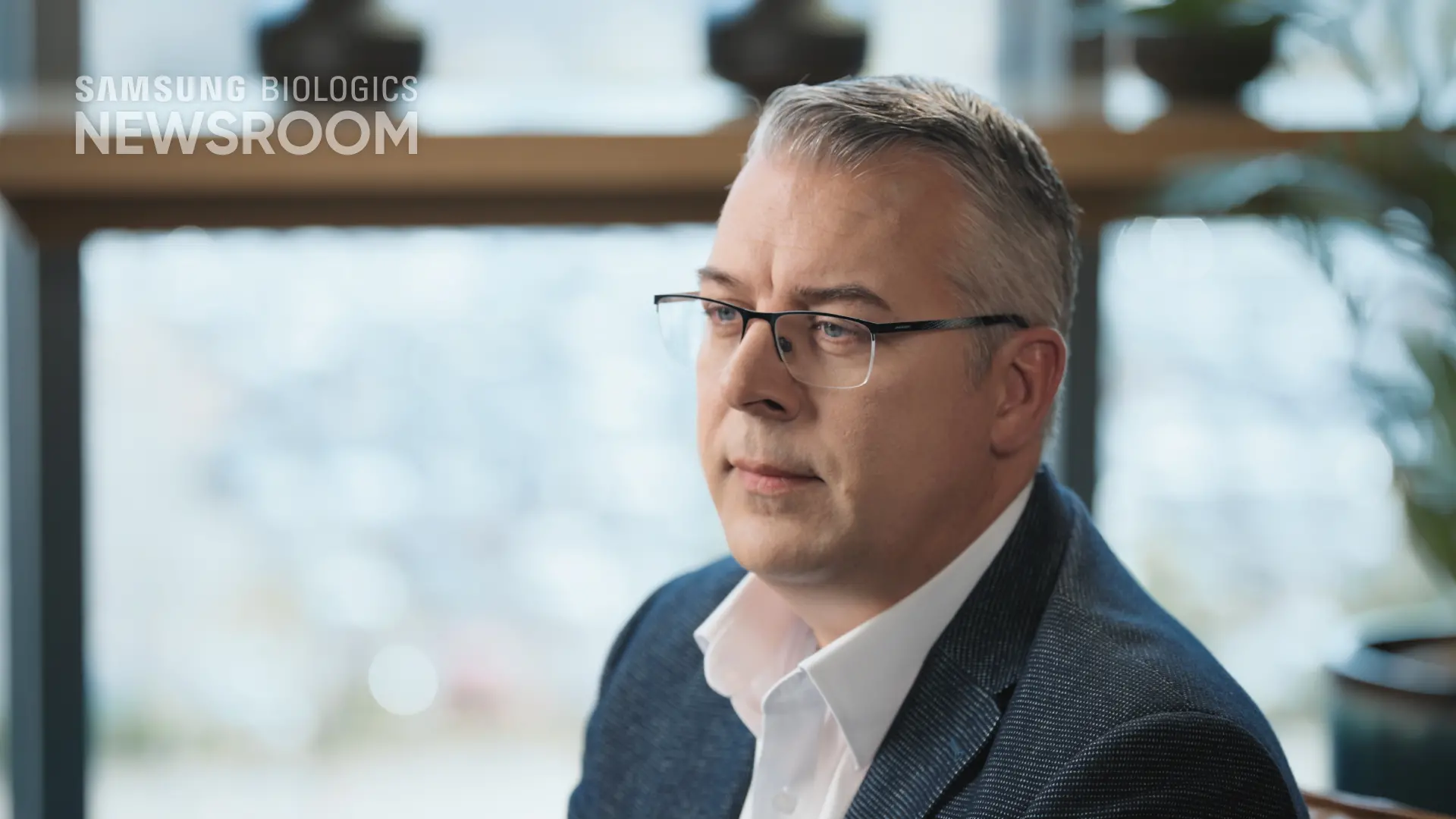
When asked to define leadership in one sentence, Bram answered, “Leadership is creating clarity and trust so that people can do their best work together.”
He explained that in highly technical and fast-moving environments, leadership is less about having every answer and more about enabling teams to think critically, collaborate openly, and make informed decisions grounded in both science and experience.
He also emphasized the importance of creating an environment where teams feel comfortable challenging assumptions, discussing risks early, and solving complex problems collectively.
“Strong collaboration becomes more important across development, manufacturing, quality, and technical functions as biopharmaceutical processes grow more complex and diverse,” he noted. “I see my role as driving sustained excellence through aligned teams, standardized execution, and a shared commitment to continuous improvement.”
A conversation with Bram ten Cate, Vice President and Head of MSAT
As biologics manufacturing grows increasingly complex, the role of Manufacturing Science and Technology (MSAT) continues to expand beyond technical support. At Samsung Biologics, MSAT plays a critical role in connecting process development, technology transfer (tech transfer), manufacturing execution, and lifecycle management to support reliable and scalable production.
In this interview, Bram ten Cate, Vice President and Head of MSAT, shares his perspective on the evolving role of MSAT in CDMOs today, the growing importance of standardized and digitally integrated systems, and how process understanding and predictive manufacturing help enable reliable execution across increasingly diverse modalities.
Building confidence through process understanding
“MSAT sits at the intersection of development and manufacturing,” Bram explained. “Our role is to translate science into reliable and compliant execution.”
According to Bram, one of MSAT’s key responsibilities is ensuring that manufacturing processes remain robust, scalable, and transferable across facilities and commercial stages. This includes supporting tech transfer, process validation, continued verification, and lifecycle management.
Beyond technical execution, he emphasized that the team’s ultimate role is to build confidence for clients.
“In a CDMO environment where every molecule is different, our job is to make our execution as consistent and reliable as possible,” he said.
To this end, Samsung Biologics is reinforcing its standardized biomanufacturing framework, ExellenS™, and integrated systems to improve process understanding and operational consistency across programs and manufacturing sites.
Flexibility built on standardization
As accelerated timelines and increasing regulatory complexity reshape the industry, clarity and consistency have become increasingly important in decision-making, Bram noted.
“In tech transfer and process development, ambiguity creates the greatest operational risk,” he said. “If we don’t understand the process, we can’t scale it. I always make sure that our team defines critical process parameters, understands variability, and makes data-driven decisions early.”
He also highlighted the importance of standardized ways of working across tech transfer, validation, and lifecycle management activities. “Consistency does not limit flexibility; it instead enables more efficient and reliable execution across diverse programs.”
Beyond clarity and consistency, Bram emphasized that long-term thinking is equally important in manufacturing decision-making.
“Rather than focusing only on immediate execution, teams continue to evaluate whether processes will remain scalable, reliable, and effective not only today, but also years into commercial manufacturing,” Bram explained. “This perspective helps avoid short-term solutions that may create operational challenges later in the product lifecycle.”
Moving toward predictive manufacturing
Looking ahead, Bram expects the industry to continue evolving toward more complex and diverse modalities, alongside increasing digital integration across biopharmaceutical manufacturing.
“We are expanding beyond monoclonal antibodies into more complex modalities,” he explained. “Each brings new challenges in process understanding, transfer, and control.”
Bram said, as manufacturing complexity increases, clients are no longer looking only for manufacturing capacity or execution speed. Instead, they are seeking confidence that their products can be transferred efficiently, scaled reliably, and manufactured consistently across facilities over time.
“Clients are looking for predictability,” he said. “They want confidence that processes will perform consistently regardless of complexity or scale.”
To support this shift, Bram believes digitalization will play an increasingly important role in enabling data-driven and predictive manufacturing environments. He explained that future tech transfer models will rely less on static documentation and more on integrated systems that connect process knowledge, historical performance, and real-time analytics. And most importantly, MSAT is expected to play a more strategic role in connecting data, science, and manufacturing execution to support consistent execution across increasingly diverse modalities.
“This approach reflects Samsung Biologics’ broader focus on standardized and digitally integrated manufacturing systems to support scalable execution and operational consistency across its global manufacturing network,” he added.
Leadership through clarity and collaboration
When asked to define leadership in one sentence, Bram answered, “Leadership is creating clarity and trust so that people can do their best work together.”
He explained that in highly technical and fast-moving environments, leadership is less about having every answer and more about enabling teams to think critically, collaborate openly, and make informed decisions grounded in both science and experience.
He also emphasized the importance of creating an environment where teams feel comfortable challenging assumptions, discussing risks early, and solving complex problems collectively.
“Strong collaboration becomes more important across development, manufacturing, quality, and technical functions as biopharmaceutical processes grow more complex and diverse,” he noted. “I see my role as driving sustained excellence through aligned teams, standardized execution, and a shared commitment to continuous improvement.”
Share article
Related Content